

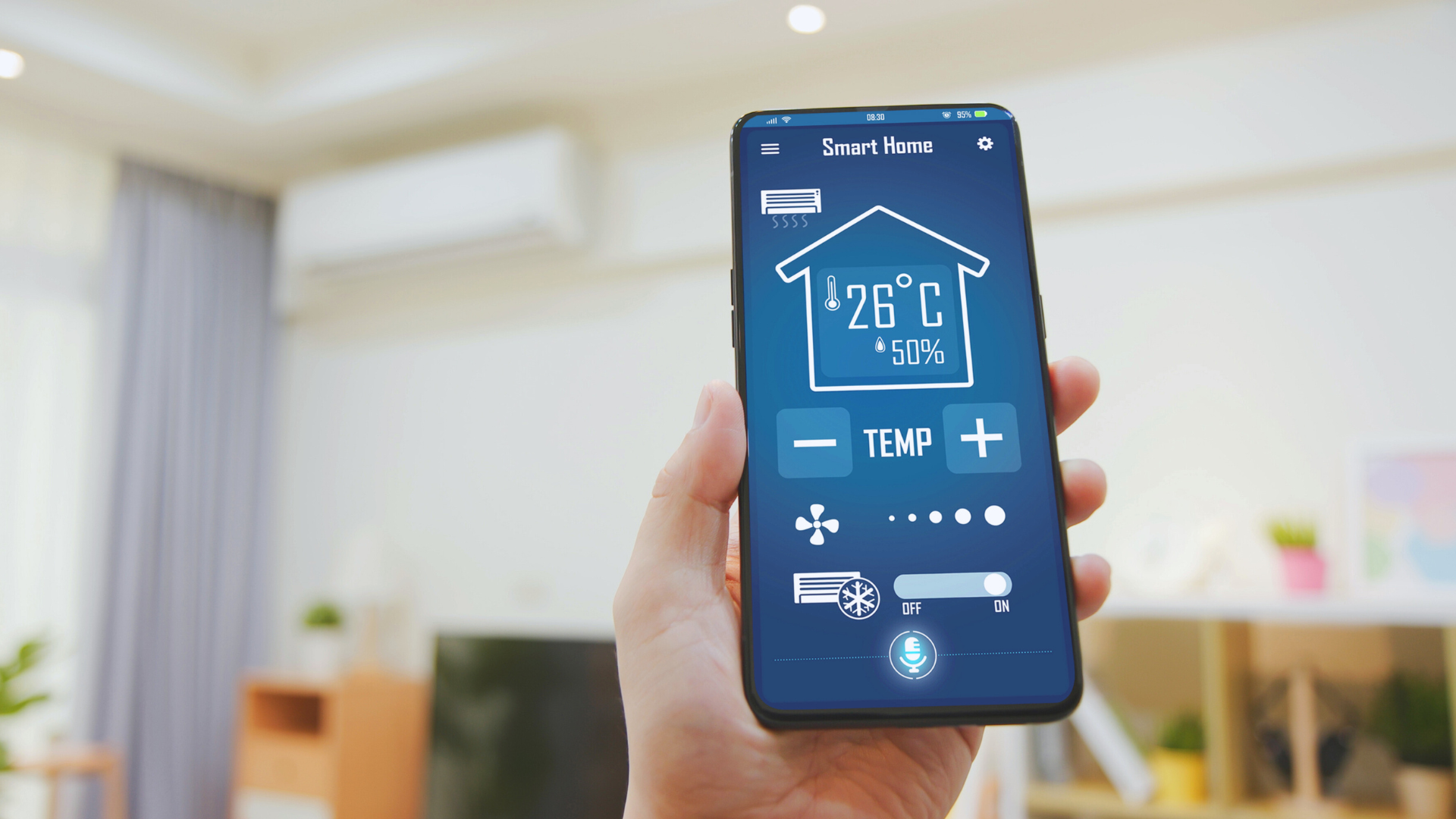
Smart living is evolving rapidly, driven by gadgets designed to enhance convenience, efficiency, and comfort. From AI-powered assistants to energy-saving devices, these innovations are shaping how people interact with their homes and daily routines. The latest gadget trends are turning ordinary spaces into personalised, responsive environments that adapt to individual needs.
This shift focuses on interconnectedness, with devices seamlessly communicating to create a cohesive smart ecosystem. Wearables, smart appliances, and home security systems now work together more intuitively than ever before, making everyday tasks simpler and more automated.
Consumers looking to upgrade their lifestyles find that adopting these new technologies can lead to better control over their environments, improved energy usage, and greater peace of mind. The smart living landscape is no longer just about tech—it’s about practical, accessible improvements to modern life.
Core Innovations in Smart Living Gadgets
Recent smart living gadgets focus on enhancing convenience, efficiency, and connectedness within homes. Key developments involve advancements in artificial intelligence, user interfaces, and seamless integration across devices.
AI-Driven Home Automation Essentials
AI-powered home automation now enables personalised environments by learning user habits. Devices adjust lighting, temperature, and security settings automatically, increasing comfort and energy efficiency.
Smart thermostats like Nest use AI to optimise heating schedules, cutting unnecessary energy use. Similarly, AI-enabled security systems detect unusual activity, alerting homeowners in real time. This reduces false alarms and improves safety.
Home automation platforms increasingly support multi-device ecosystems, allowing centralised control. Users benefit from customisable routines that trigger multiple actions, such as locking doors and turning off lights when leaving home.
Smart Displays as Connected Hubs
Smart displays act as the visual and interactive core of modern smart homes. They provide a central screen for controlling various devices, viewing cameras, and accessing information quickly.
These displays support video calls, entertainment streaming, and message notifications, integrating multiple smart home functions. Brands like Amazon Echo Show and Google Nest Hub lead in this space.
Touchscreen interfaces offer intuitive control, while connectivity with AI assistants enables voice interaction. Smart displays sync with smart thermostats, cameras, and lighting systems, simplifying home management.
Voice Assistants and Home Integration
Voice assistants—such as Alexa, Google Assistant, and Siri—are crucial for hands-free control of smart homes. Their natural language processing abilities have significantly improved interaction accuracy.
They enable users to control smart devices, set reminders, play music, and receive weather updates through simple commands. Integration with third-party gadgets expands their reach beyond the original ecosystem.
Advanced home integration allows voice assistants to manage complex tasks, like creating automation scenes or adjusting multiple devices simultaneously. This enhances usability and accessibility, especially for users with mobility challenges.
Smart Home Connectivity and Interoperability
Smart home technology relies on devices working together seamlessly. Connectivity standards and network choices shape how devices communicate and integrate across systems.
Matter Protocol and Device Compatibility
Matter is an open-source connectivity standard designed to improve device compatibility. It allows smart devices from different brands to operate on a unified protocol, reducing fragmentation.
The protocol supports IP-based communication over Wi-Fi, Thread, and Ethernet. This means devices using Zigbee or Bluetooth can connect indirectly through bridges that translate to Matter.
Manufacturers adopting Matter ensure smart lights, locks, sensors, and thermostats can interact fluidly. This streamlines setup and increases reliability for smart home users.
Home Networking Technologies
Home networks use Wi-Fi, Zigbee, Bluetooth, and more to link devices. Wi-Fi offers high speeds and broad coverage, but can strain bandwidth with many connected devices.
Zigbee is a low-power mesh network ideal for small sensors and switches, extending network range by allowing devices to relay data. It’s popular in smart lighting systems.
Bluetooth is prevalent for short-range device control, such as door locks and speakers, due to low power consumption and easy pairing. Combining these technologies supports diverse smart home setups.
Seamless Integration Across Ecosystems
Effective smart homes require devices to work across platforms like Google Home, Apple HomeKit, and Amazon Alexa. Interoperability is advancing with increased adoption of universal standards.
Manufacturers are designing products compatible with multiple ecosystems to give users flexibility. Features like synchronised routines and voice control across platforms enhance user experience.
Using hubs or bridges remains common to link older Zigbee or Bluetooth devices with broader smart home networks, ensuring old and new devices coexist efficiently.
Next-Generation Devices Redefining Daily Life
Technological advancements have enhanced routine activities, offering convenience and efficiency. Devices now integrate seamlessly with everyday environments, improving security, chores, cooking, and entertainment through innovative designs and intelligent systems.
Advanced Security and Biometric Solutions
Modern home security systems utilise biometric authentication for more reliable access control. Fingerprint scanners, facial recognition cameras, and voice identification are increasingly common in smart locks and alarm systems.
These features reduce reliance on traditional keys or codes, improving security and convenience. Integration with smart displays and mobile apps allows remote monitoring and instant alerts about suspicious activity or system status.
Many systems support multi-factor authentication, combining biometrics with PINs or smartphone approval. This layered security approach minimises false alarms and unauthorised access, making smart homes safer and more responsive.
Robotic Assistants and Automated Cleaning
Robotic assistants have become more capable, performing household chores beyond simple vacuuming. Latest models include mop functions, air purifiers, and even errand-running robots.
These devices use advanced sensors and AI to map homes, avoiding obstacles and adapting to cleaning needs. Integration with smart home ecosystems enables scheduling through voice commands or smartphone apps.
Robotics now supports tasks like window cleaning and pet care. They help reduce daily effort, especially in busy households, while improving cleanliness through consistent, automated maintenance.
Innovations in Smart Kitchens
Smart kitchen gadgets focus on efficiency, precision, and user convenience. Devices such as intelligent ovens adjust cooking time and temperature automatically, based on recipe databases.
Connected appliances like smart refrigerators monitor inventory, suggesting shopping lists or ordering supplies online. Touchscreen smart displays provide easy access to recipes, cooking tutorials, and timers.
Other innovations include automated coffee machines, voice-controlled faucets, and smart nutrition trackers. These devices reduce food waste and simplify cooking, making meal preparation more streamlined.
Immersive Augmented and Virtual Reality Gadgets
Augmented reality (AR) and virtual reality (VR) devices have expanded beyond gaming into daily life applications. Smart glasses overlay useful information in real time, assisting with navigation, work tasks, and communication.
VR headsets enable immersive experiences for training, education, or social interaction. These gadgets integrate with other smart devices, displaying notifications or controlling home systems within virtual environments.
Recent advancements focus on ergonomics and wireless connectivity, improving comfort and usability. The growing ecosystem supports diverse applications, making AR and VR practical tools in both leisure and productivity contexts.
Sustainable and Personalised Smart Living
Smart living now integrates technology that improves both environmental impact and individual comfort. Advances in energy-saving devices, health monitoring, and adaptive home systems are shaping how people interact with their spaces daily.
Energy Efficiency and Smart Lighting
Energy efficiency is a core focus in smart home technology. Smart lighting systems use sensors and AI algorithms to adjust brightness and colour temperature according to time of day and occupancy. This reduces unnecessary power consumption while enhancing comfort.
Smart bulbs and fixtures often support automation through mobile apps or voice assistants. They track usage patterns and can be scheduled to switch off when rooms are unoccupied, lowering energy bills significantly.
Integration with renewable energy sources, such as solar panels, allows smart systems to optimise power usage further. This combination makes smart lighting a practical tool for sustainable living in modern homes.
Health and Wellness Technology
Health and wellness technology in smart homes extends beyond simple fitness tracking. Devices like air quality monitors and smart thermostats use artificial intelligence to maintain optimal indoor conditions tailored to occupants’ needs.
Wearable health tech can sync with home systems to adjust environments automatically—such as controlling temperature and light to improve sleep quality. Smart mirrors and scales provide real-time feedback on health metrics, supporting personal well-being goals.
AI-driven smart assistants assist with medication reminders and stress reduction through guided breathing exercises or ambient soundscapes designed for relaxation and focus.
Customisation for Comfort and Convenience
Customisation is central to smart living’s appeal. AI-powered systems learn user preferences to personalise lighting, temperature, and even music selections, creating a home environment unique to each individual.
Smart home hubs consolidate control over multiple devices, enabling seamless adjustments through voice commands or smartphone apps. Profiles can be set for different family members or times of the day, enhancing comfort without manual input.
This personalised automation increases convenience while reducing energy waste. The home’s response evolves with its occupant, making daily routines smoother and more enjoyable.
Leave a Reply