

The consumer electronics industry is increasingly embracing eco-conscious technology as a response to growing environmental concerns. Companies are integrating sustainable materials, energy-efficient designs, and recycling programmes to reduce their ecological impact. This shift reflects a clear trend towards prioritising sustainability without compromising device performance or user experience.
Advancements in battery technology, biodegradable components, and reduced carbon footprints are becoming standard across many product lines. Consumers now expect transparency about the environmental costs of their gadgets, pushing manufacturers to innovate responsibly.
As eco-conscious technology becomes a key factor in buying decisions, the sector is undergoing a quiet revolution. This evolution influences how products are designed, produced, and marketed on a global scale.
Key Drivers of Eco-Conscious Technology in Consumer Electronics
The growth of eco-conscious technology in consumer electronics stems from several focused influences shaping the industry. These include shifts in consumer preferences, the environmental consequences of conventional devices, and breakthroughs that support greener production and usage.
Consumer Demand for Sustainability
Consumers increasingly prioritise products with lower environmental footprints. Surveys indicate that over 70% of buyers prefer electronics made from recyclable materials or designed for energy efficiency. This trend drives manufacturers to incorporate sustainable practices.
Retailers now highlight eco-friendly certifications such as Energy Star and EPEAT on devices, making it easier for consumers to identify green options. Younger demographics, particularly millennials and Gen Z, exert strong pressure for transparency in sourcing and manufacturing.
This demand translates into longer product lifespans, modular designs, and less reliance on hazardous materials. As a result, companies invest in research to meet these expectations while remaining competitive.
Environmental Impact of Traditional Electronics
Traditional consumer electronics significantly contribute to pollution and resource depletion. Electronic waste (e-waste) is a major concern as millions of tonnes are discarded annually, with toxic components like lead and mercury harming ecosystems.
Manufacturing processes often consume large amounts of energy and water, increasing carbon emissions. For instance, the production of smartphones generates approximately 70-80 kg of CO2 per device.
The rising volume of obsolete devices in landfills exacerbates soil and water contamination. This environmental strain stresses the need for designs that facilitate recycling, reuse, and minimal resource consumption.
Technological Innovations Enabling Green Solutions
Recent advancements enable the development of environmentally friendly electronics. Biodegradable materials, low-power chips, and efficient battery technologies reduce ecological impact without compromising performance.
Manufacturers now use recycled plastics and rare earth metals recovered from old devices, decreasing reliance on virgin resources. Software optimisation also plays a role by extending battery life and reducing energy consumption during operation.
Additive manufacturing (3D printing) minimises material waste during component production. Additionally, smart energy management features enable devices to enter low-power states automatically, contributing to lower energy use.
These innovations collectively advance the adoption of sustainable consumer electronics globally.
Sustainable Materials and Responsible Manufacturing
Eco-conscious technology in consumer electronics increasingly relies on specific materials and manufacturing processes that reduce environmental impact. This focus includes integrating recycled components, adopting biodegradable elements, and innovating in packaging to limit waste and resource consumption.
Use of Recycled Plastics and Metals
Many manufacturers now incorporate recycled plastics and metals into device components to reduce reliance on virgin materials. For example, aluminium casings often contain up to 75% recycled content, lowering energy use by 95% compared to new aluminium production.
Recycled plastics are sourced from post-consumer and post-industrial waste, repurposed into internal parts or outer shells. This approach helps divert plastic from landfills and oceans while reducing carbon emissions associated with plastic production.
The use of recycled metals such as copper and gold in circuit boards is also increasing. These efforts contribute to a smaller environmental footprint by minimising mining and associated ecological damage. Suppliers working with certified recycling programmes ensure material traceability and quality.
Biodegradable and Renewable Materials
Emerging technologies use biodegradable materials like polylactic acid (PLA) derived from corn starch to replace conventional plastics. Such materials break down naturally under industrial composting conditions within months, easing end-of-life disposal challenges.
Renewable resources like bamboo and wood fibre are also configured into casing and accessory components. These materials support circular economy principles by being sustainably harvested and renewing naturally.
Some brands combine biodegradable composites with recycled materials to create hybrid designs that balance durability with environmental responsibility. However, durability and performance metrics remain critical for mass adoption in electronics.
Eco-Friendly Packaging Innovations
Packaging shifts towards recycled and recyclable materials are standard among eco-conscious brands. Corrugated cardboard with 90%+ recycled content and water-based inks replaces plastic-based and chemically intensive alternatives.
Minimalist packaging designs reduce volume and weight, cutting transportation emissions. Companies increasingly use modular, reusable containers or seed-infused paper packs that consumers can plant after unboxing.
Biodegradable packaging films and plant-based cellulose sheets substitute traditional plastic wraps, aligning packaging disposal with environmental goals. Certifications such as FSC for paper products provide assurance on responsible sourcing.
Energy Efficiency and Renewable Power Integration
Improvements in reducing energy consumption and integrating renewable power are reshaping consumer electronics. Advances include devices that use less energy, smart systems that optimise power use, solar-powered gadgets, and adherence to green standards.
Development of Energy-Efficient Devices
Manufacturers focus on creating devices that consume significantly less energy during operation and standby. Technologies like low-power processors and efficient display panels reduce overall energy use without sacrificing performance.
Energy Star and EPEAT certifications guide consumers toward more energy-efficient products. Energy Star, for example, sets strict criteria, requiring electronics to use 10-50% less energy than standard models. EPEAT evaluates overall environmental impact, including energy consumption, and encourages sustainable design.
The reduction in energy consumption not only lowers electricity bills but also helps reduce carbon footprints. This approach is central to producing eco-friendly gadgets that balance usability with environmental responsibility.
Adoption of Smart Energy Management
Smart energy management systems like smart thermostats and adaptive power controls optimise electricity use in real time. These systems adjust device usage based on patterns, reducing unnecessary energy consumption and improving efficiency.
In consumer electronics, smart energy management extends to automated shutdowns, variable power modes, and remote control via mobile apps. Devices can now communicate within smart home environments to minimise energy waste.
This technology supports the integration of renewable power sources by balancing demand with available supply. It enhances overall energy savings and supports sustainable living.
Solar-Powered and Renewable Energy Gadgets
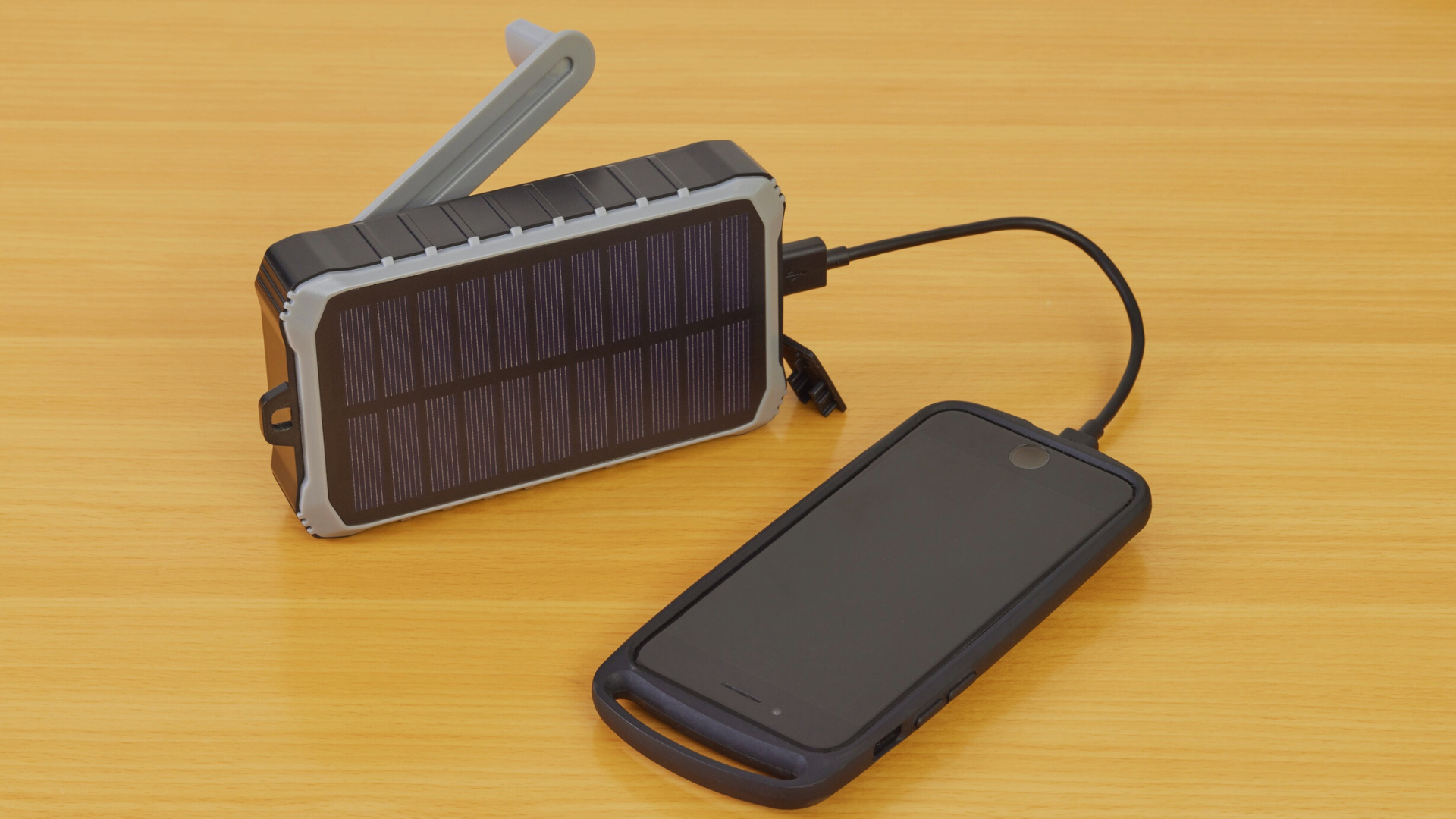
Solar-powered chargers and devices equipped with renewable energy components grow in popularity. Portable solar chargers, for example, provide power for smartphones and small electronics without relying on grid electricity.
Renewable energy gadgets include solar backpacks, solar Bluetooth speakers, and battery packs designed for outdoor use. These products reduce dependence on fossil fuels and expand possibilities for off-grid power.
The integration of renewable energy tech in consumer electronics broadens eco-conscious options. It responds to consumer demand for products that operate sustainably and promote clean energy use.
Certified Green Standards and Programmes
Green certifications like Energy Star and EPEAT ensure manufacturers adhere to strict environmental standards. These programmes assess energy efficiency, material sourcing, recyclability, and overall environmental impact.
Energy Star focuses primarily on reducing energy consumption during device use. EPEAT provides a broader evaluation, rating products as Bronze, Silver, or Gold depending on their environmental credentials.
Participation in these programmes helps companies prove their commitment to green technology. It also provides consumers with reliable information to choose more sustainable electronics confidently.
E-Waste Management and Circular Economy
Electronic waste is rapidly increasing with consumer demand for new devices. Managing this waste effectively requires programmes that boost recycling rates and design strategies extending product lifespans. Circular economy principles help reduce carbon footprints by reusing materials and minimising resource extraction.
E-Waste Recycling Programmes
E-waste recycling programmes focus on safely recovering valuable metals like gold, copper, and lithium. These initiatives reduce landfill usage and prevent toxic substances from polluting the environment.
Many countries enforce regulations mandating manufacturers to take responsibility for end-of-life electronics. This includes collection points and certified recyclers who dismantle devices securely. Public awareness campaigns also encourage consumers to return old gadgets instead of discarding them.
The efficiency of these programmes varies, but advances in automated sorting technology improve material recovery rates. Some companies provide incentives for recycling, such as discounts on new products, further driving participation.
Modular Design for Product Longevity
Modular design allows key components of devices to be easily replaced or upgraded, extending the product’s usable life. This approach reduces the need to buy entirely new devices, cutting down e-waste generation.
Manufacturers designing smartphones or laptops with removable batteries, screens, and memory cards enable users or third-party services to perform repairs. This method lowers the carbon footprint by reducing raw material extraction for new parts.
This design philosophy also supports customisation and adaptability, catering to individual needs without whole-device replacement. However, not all brands have adopted modular design due to cost and technical challenges.
Circular Economy Practices in Electronics
Circular economy practices promote resource efficiency by closing the materials loop. This includes refurbishing used devices, harvesting components for reuse, and designing products with recyclability in mind.
Companies increasingly incorporate recycled plastics and metals into new electronics. They also track supply chains to use sustainably sourced materials. Product-as-a-service models, where consumers lease rather than own devices, help maintain control over e-waste.
These practices reduce the demand for virgin resources, cutting carbon emissions associated with mining and processing. Policies supporting circular economy principles help create a more sustainable electronics industry.
Leave a Reply