

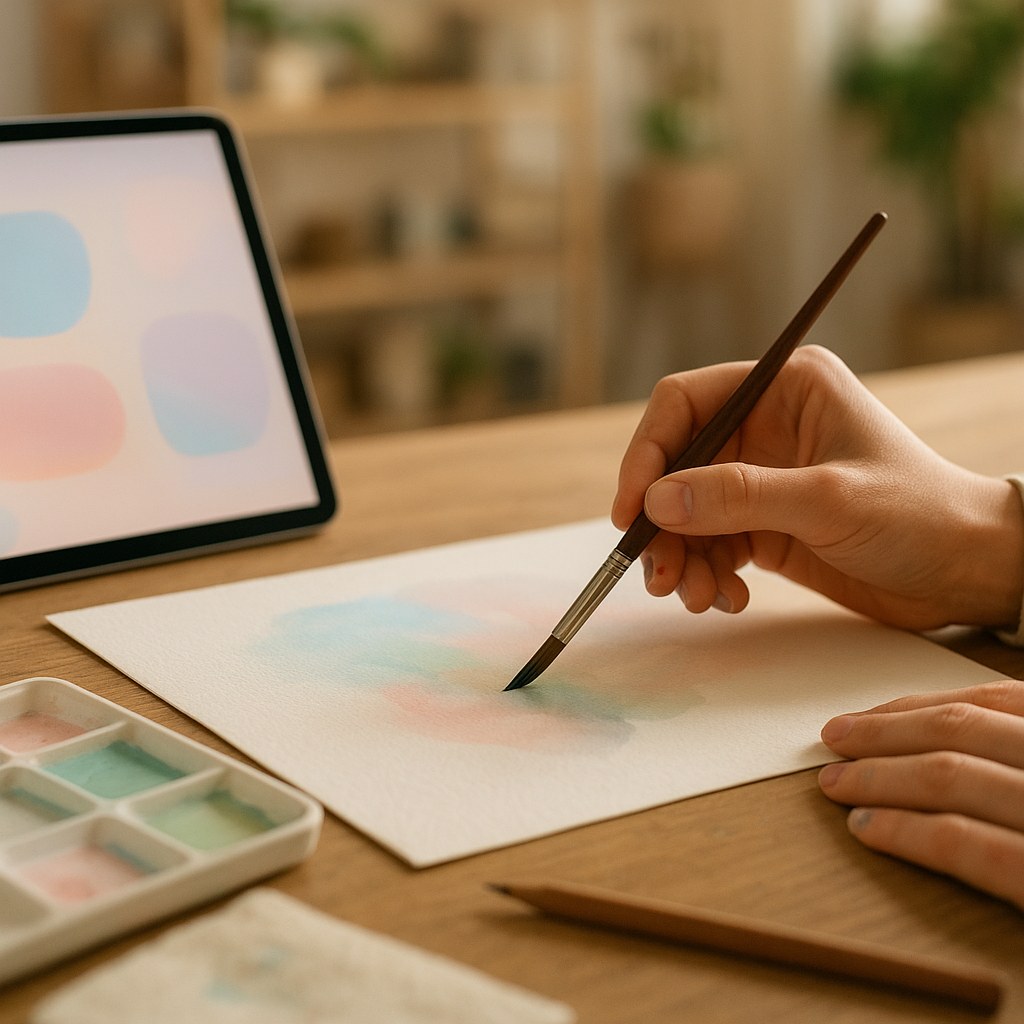
Watercolour painting has experienced something of a renaissance in recent years, with psychologists, healthcare professionals, and wellness advocates increasingly recognising its remarkable capacity to support mental health. What was once considered merely a hobby for the artistically inclined is now being embraced as a legitimate therapeutic practice—one that’s accessible, affordable, and genuinely effective for reducing stress, anxiety, and emotional overwhelm.
The gentle, flowing nature of watercolours makes them uniquely suited to therapeutic work. Unlike more demanding mediums that require technical precision, watercolour embraces imperfection. Pigments bloom unpredictably, colours merge in unexpected ways, and the very act of watching water carry paint across paper becomes meditative in itself. This quality of surrender—of working with the medium rather than controlling it—mirrors many mindfulness practices that therapists recommend.
Research supports what practitioners have long intuited. A 2023 study published in the Journal of American Art Therapy Association found that just 45 minutes of creative activity significantly reduced cortisol levels, regardless of artistic skill or experience. Meanwhile, the World Health Organization’s landmark 2019 report on arts and health concluded that engaging with artistic activities—including painting—can improve mental health outcomes across diverse populations.
How Watercolour Painting Supports Mental Wellbeing
The mental health benefits of watercolour painting operate on multiple levels—physiological, psychological, and emotional. Understanding these mechanisms helps explain why this particular medium has become so popular among those seeking creative outlets for wellness.
Stress Reduction Through Flow States
When you paint with watercolours, your attention becomes absorbed in the present moment. You’re observing how a wash of blue spreads across wet paper, deciding where to add warmth, watching colours blend. This focused attention induces what psychologists call a “flow state”—a mental state where self-consciousness disappears and time seems to alter.
Flow states have been extensively studied since Mihaly Csikszentmihalyi first coined the term in the 1970s. They’re associated with decreased activity in the prefrontal cortex, the brain region responsible for self-criticism and worry. Regular flow experiences correlate with improved mood, reduced anxiety, and greater overall life satisfaction. Watercolour, with its balance of structure and unpredictability, reliably triggers these beneficial states even in beginners.
The Physiological Response to Creative Practice
Painting with watercolours activates the parasympathetic nervous system—the body’s “rest and digest” mode. Your breathing naturally slows, heart rate decreases, and muscle tension releases. These aren’t merely subjective feelings; they’re measurable physiological changes.
A 2024 systematic review examining arts-based interventions found consistent evidence that visual arts participation reduced biomarkers of stress, including salivary cortisol and alpha-amylase levels. Participants also reported improved sleep quality and reduced symptoms of depression. The review specifically noted that watercolour’s portability and low setup requirements made it particularly accessible for those with limited mobility or energy—populations who might benefit most from gentle creative practice.
Emotional Processing and Non-Verbal Expression
Not all experiences can be adequately expressed through words. Trauma, complex grief, and profound joy often exceed the capacity of language. Watercolour offers an alternative channel—one that operates through colour, texture, and movement rather than verbal description.
Art therapists have long utilised watercolour for this reason. The medium’s transparency allows for layering, building up meaning gradually. Mistakes can be lifted, softened, or incorporated—there’s no “wrong” way to proceed. This forgiving quality reduces performance anxiety and allows genuine emotional material to emerge without the censoring that often occurs in verbal therapy.
Watercolour’s Unique Advantages for Beginners
Many people hesitate to begin painting, convinced they lack talent or training. Watercolour directly challenges these barriers in ways that other mediums don’t.
Low Barrier to Entry
A basic watercolour setup requires minimal investment: a travel palette, two or three brushes, watercolour paper, and water. Unlike oil painting, there’s no toxic solvent, no extended drying time, no complex preparation. This accessibility matters therapeutically—the ease of beginning reduces procrastination and perfectionism that might otherwise prevent creative engagement.
The Beauty of Imperfection
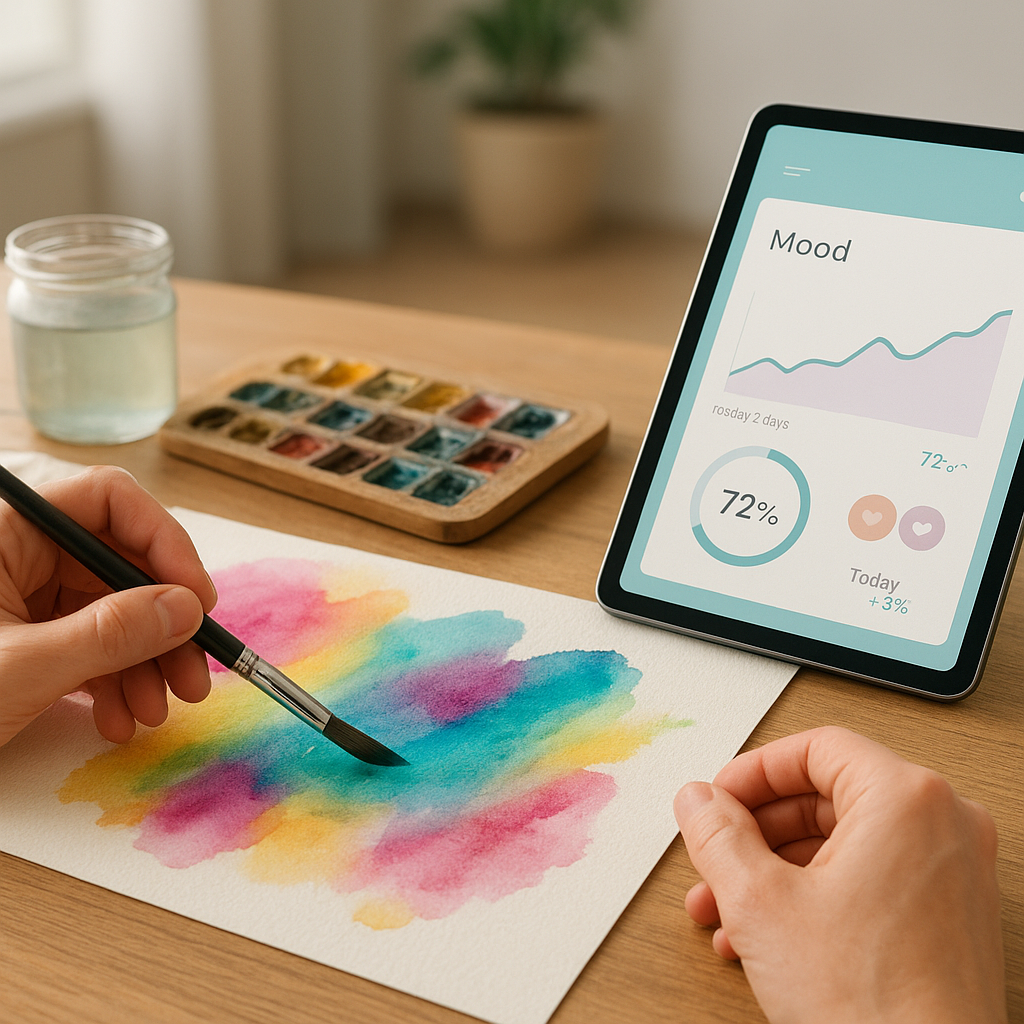
Watercolour’s notorious difficulty—its tendency to behave unexpectedly—becomes an asset in therapeutic contexts. You cannot fully control the medium. Pigments granulate, colours bleed, backruns create “cauliflowers” where you didn’t intend them. Learning to accept and even celebrate these accidents builds psychological flexibility that transfers to daily life.
This connects directly to the “golden rule” of watercolour that experienced practitioners emphasise: light to dark, and don’t overwork it. Once a wash has dried, further manipulation typically creates mud rather than luminosity. Accepting this limitation teaches valuable lessons about letting go—a skill with obvious applications beyond the painting table.
Portable Mindfulness Practice
Watercolour kits travel easily. Many practitioners keep a small palette and water brush in their bag, ready for lunch breaks, waiting rooms, or quiet moments in nature. This portability transforms painting from a special occasion activity into an integrated wellness practice—something you can access whenever stress begins to mount.
Practical Techniques for Therapeutic Watercolour Practice
While formal art therapy requires professional training, self-directed watercolour practice can yield significant benefits. The following approaches have proven particularly effective for stress reduction and emotional wellbeing.
Wet-on-Wet Colour Meditation
Begin with no subject in mind. Wet your paper thoroughly, then drop in colours that appeal to you in the moment. Watch them bloom, merge, and create patterns. This practice emphasises process over product—there’s no “success” or “failure,” only observation. Many find this particularly effective for anxiety, as it requires presence without demanding performance.
The 70/30 Rule in Practice
Understanding the 70/30 rule can reduce frustration for beginners. This principle suggests that roughly 70% of a successful watercolour painting involves planning, preparation, and waiting—while only 30% involves actual brush-to-paper work. Embracing this rhythm means accepting that watercolour requires patience. You must wait for layers to dry, for washes to settle, for the right moment to add detail. This enforced slowness counteracts the rushed quality of contemporary life.
Limited Palette Exercises
Restricting yourself to two or three colours paradoxically increases creative freedom. Without endless choices, you focus on value, temperature, and composition. Try painting with only ultramarine blue and burnt sienna, or quinacridone rose and aureolin yellow. These constraints reduce decision fatigue while producing harmonious results.
Nature Connection Through Sketching
Combining watercolour with time outdoors amplifies benefits. Studies consistently show that nature exposure reduces stress; adding creative observation deepens this effect. You needn’t create finished paintings—quick studies of leaves, skies, or landscapes capture attention fully in the present moment. The combination of natural light, fresh air, and focused observation creates a powerful wellness practice.
Watercolour and Cognitive Health
Beyond emotional benefits, watercolour painting appears to support cognitive function—particularly relevant as populations age and concerns about neurodegenerative conditions increase.
Is Watercolour Painting Good for Your Brain?
The evidence suggests yes. Painting engages multiple cognitive domains simultaneously: visual processing, motor planning, decision-making, and memory. A 2024 study from Mayo Clinic’s Integrative Medicine programme found that older adults who engaged in regular artistic activities showed better cognitive flexibility and processing speed compared to matched controls. The researchers specifically noted that watercolour’s requirement for planning ahead—visualising how layers will interact—exercised executive function in ways that more immediate mediums didn’t.
Neuroimaging studies add further support. Creating visual art activates the brain’s default mode network while simultaneously engaging executive attention networks—an unusual combination that may support neural plasticity. This dual activation appears particularly strong in watercolour, where artists must hold intentions loosely while responding to emerging patterns.
Memory and Attention Benefits
Watercolour demands sustained attention. You must observe colour relationships, track moisture levels, and anticipate drying times. This attentional training transfers to other domains. Practitioners often report improved concentration in work and daily tasks after establishing regular painting practices.
The medium also supports prospective memory—remembering to perform intended actions. You might plan to lift a highlight after a wash dries, or add detail once paper reaches a particular dampness. Managing these delayed intentions exercises cognitive capacities that typically decline with age.
Common Questions About Watercolour Practice
Those beginning watercolour often encounter technical questions that, when answered, remove barriers to therapeutic engagement.
What Does Vinegar Do to Watercolour?
Vinegar—specifically white vinegar—can affect watercolour in several ways. Added to rinse water, it helps clean brushes by breaking down pigment binders. Some artists use vinegar-water solutions to create textural effects on paper, as the acid slightly etches the surface. However, vinegar’s primary therapeutic relevance involves brush maintenance: clean brushes function better, reducing frustration and supporting the relaxed state that makes painting beneficial. A few drops in your water container, followed by thorough rinsing, keeps brushes supple and responsive.
Starting Without Perfectionism
Perhaps the most common barrier involves perfectionism—the belief that paintings must look “good” to be worthwhile. Therapeutic watercolour requires reframing this entirely. The value lies in the process: the sensation of brush on paper, the observation of colour mixing, the absorption in present-moment experience. Consider keeping paintings private initially, or using inexpensive paper to reduce preciousness. Some practitioners paint over “failed” pieces, layering new work without attachment to outcomes.
Building a Sustainable Practice
The therapeutic benefits of watercolour accumulate with regular engagement. Sporadic intensive sessions provide less benefit than consistent, brief practice. Research on habit formation suggests that attaching new behaviours to existing routines increases adherence—perhaps painting with morning coffee, or unwinding with watercolour before dinner.
Duration matters less than regularity. Twenty minutes daily typically yields greater stress reduction than two hours weekly. The key involves lowering barriers: keeping supplies accessible, choosing simple subjects, and releasing expectations about outcomes. Many find that tracking practice—not paintings—supports consistency. A simple calendar marking days when you painted, regardless of results, builds momentum.
Community also supports sustainability. Local watercolour groups, online communities, and informal painting partnerships provide encouragement and normalise the challenges beginners face. However, solitary practice offers distinct benefits—uninterrupted flow, freedom from social comparison, and space for emotional expression without observation.
Conclusion
Watercolour painting offers a rare combination: accessible enough for complete beginners, yet endlessly engaging for experienced practitioners. Its therapeutic benefits—stress reduction, emotional processing, cognitive stimulation, and mindfulness cultivation—are supported by growing research evidence. The medium’s inherent unpredictability teaches acceptance and flexibility, while its portability enables integration into daily life.
Whether you’re managing diagnosed mental health conditions, navigating ordinary life stress, or simply seeking greater presence and creativity, watercolour provides a gentle yet powerful tool. The practice requires no special talent, only willingness to begin and curiosity about what emerges when water, pigment, and paper meet. In a culture that often prioritises productivity and measurable outcomes, watercolour invites a different relationship with time and attention—one that may prove increasingly valuable for contemporary wellbeing.
Leave a Reply