

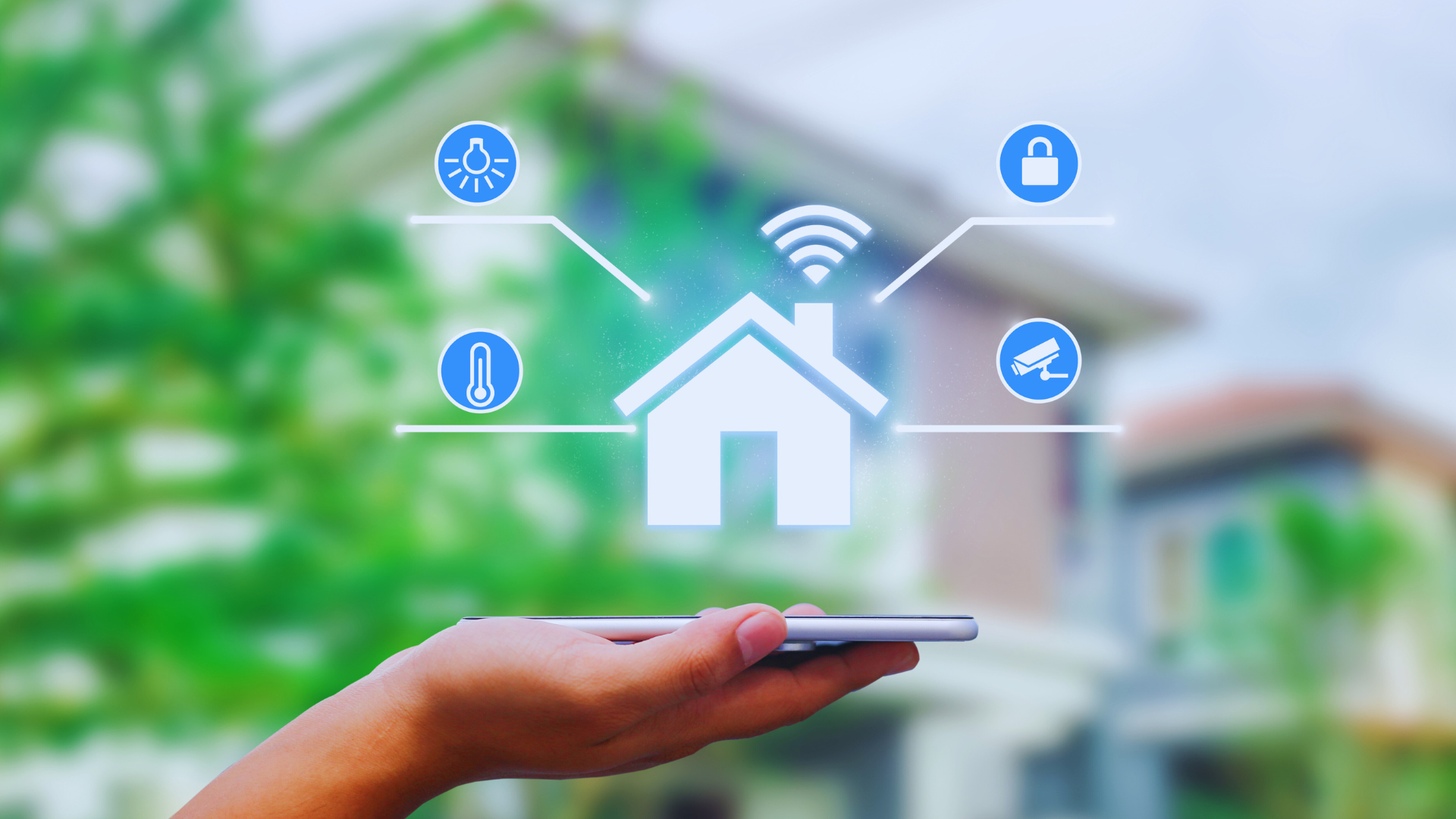
As climate change continues to present challenges, smart homes are emerging as a vital solution for sustainability. Innovative technologies will enable these homes to adapt proactively, using data to manage energy consumption, regulate temperature, and optimise water usage. By harnessing the power of automation and artificial intelligence, smart homes will not only enhance comfort but also contribute to environmental resilience.
Incorporating renewable energy sources, smart homes can significantly reduce their carbon footprint. Features such as intelligent energy management systems and smart appliances will allow homeowners to monitor and adjust their usage in real time, ensuring efficiency and minimal waste. Complementing this, homeowners can also choose a home propane supplier, for instance, that can use smart tank monitoring technology to automate fuel deliveries. This integration can ensure that even during peak demand or supply fluctuations, the household remains powered by a versatile and clean burning fuel source without the risk of manual oversight errors. This capability can be crucial in responding to the fluctuating demands caused by climate change.
Moreover, the integration of climate-responsive designs will make smart homes more robust against extreme weather events. For instance, advanced prediction models can guide homeowners in preparing for storms or heat waves, thus safeguarding both the property and its inhabitants. The evolution towards smart homes represents a significant step in the collective effort to create a sustainable and resilient future.
The Impact of Climate Change on Home Living
Climate change is reshaping living conditions and home structures. Understanding these changes can help homeowners prepare for the future and adopt sustainable practices.
Understanding Global Warming and Weather Patterns
Global warming leads to increased temperatures and altered weather patterns. This results in more frequent heat waves, torrential rain, and unpredictable storms. Homeowners may experience challenges such as flooding, structural damage, and rising energy costs due to increased cooling needs.
According to research, regions may face a shift in seasonal weather, impacting home maintenance. Effective strategies must be in place to manage these risks. For instance, implementing advanced weather forecasting technologies can assist in timely responses. Sustainable living practices, such as using materials with lower carbon footprints and energy-efficient systems, help mitigate some impacts of climate variability.
Adapting Home Infrastructure to Climate Variability
To maintain resilience, home infrastructure may require retrofitting and thoughtful redesign. Innovations in building materials, such as flood-resistant composites, can enhance durability, while features like green roofs and improved insulation support sustainability. Additionally, upgrading entryways, such as hurricane-rated front door installation, can strengthen protection against severe storms, reduce potential damage, and enhance overall security.
Beyond structural improvements, smart home technology further promotes resilience and efficiency. Automated climate control systems can adjust indoor temperatures more effectively, reducing energy consumption, while rainwater harvesting provides supplementary water during droughts. However, the effectiveness of these systems may rely heavily on the home’s thermal envelope being properly sealed. Before implementing smart thermostats, homeowners can prioritize professional insulation, such as that provided by loft-insulationexperts.co.uk/, or similar sites. This can ensure that the smart system isn’t wasting energy. When safely set up, these technologies contribute to a more adaptable and sustainable household.
Moreover, integrating renewable energy solutions such as solar panels supports environmentally conscious living, lowering utility costs, and reducing a home’s carbon footprint. By combining innovative materials, technological enhancements, and renewable energy, homes can better meet the challenges posed by climate change. Thoughtful upgrades and careful planning ensure that residences remain both resilient and environmentally responsible.
Smart Home Technologies for Energy Management
Smart homes harness various technologies for energy management, aiming to enhance energy efficiency and sustainability. Key technologies include smart thermostats, renewable energy integrations, and advancements in home automation.
The Role of Smart Thermostats in Energy Conservation
Smart thermostats play a crucial role in energy conservation within smart homes. These devices utilise algorithms and machine learning to adjust heating and cooling based on residents’ habits. For instance, they can learn when residents are home or away, optimising energy use.
With features like remote access through mobile apps, users can manage their home’s climate from anywhere. Energy-saving modes are often integrated, reducing consumption during peak hours. Smart thermostats can also provide insights on energy usage patterns, allowing homeowners to make informed decisions.
Integrating Renewable Energy Solutions
Integrating renewable energy solutions is pivotal for effective energy management. Solar panels are commonly used in conjunction with smart home technologies, allowing homeowners to generate their own energy. Advanced solar inverters manage the energy produced, ensuring optimal usage and storage, particularly with rooftop installations.
Smart homes can employ energy storage systems, such as batteries, to utilise generated solar power during non-sunny periods. This reduces reliance on grid electricity, fostering energy independence. Integration with smart meters provides real-time data on energy generation and consumption, empowering users to adjust their usage to match production.
Advancements in Home Automation for Efficiency
Recent advancements in home automation significantly enhance energy efficiency. Smart lighting systems, for example, can adjust intensity based on natural light levels and occupancy. This prevents unnecessary energy waste, contributing to lower bills.
Moreover, smart appliances can be programmed to operate during off-peak energy hours, further conserving energy. The Internet of Things (IoT) enables interconnected devices to communicate, allowing for comprehensive energy management strategies. For instance, when the smart thermostat detects a rise in ambient temperature, it can initiate fans or adjust blinds automatically.
These innovations in home automation ensure that energy management remains efficient and adaptable to changing needs.
Creating a Sustainable Smart Home Ecosystem
A sustainable smart home ecosystem integrates technology and eco-friendly practices to enhance energy efficiency and reduce carbon footprints. This can be achieved through improved insulation, effective heating solutions, and smart appliances that promote a green lifestyle.
Enhancing Home Insulation and Heating Solutions
Improving insulation significantly reduces energy consumption by maintaining comfortable indoor temperatures. Smart insulation materials can adjust to environmental changes, optimising thermal performance.
Examples include:
- Spray foam insulation for air sealing.
- Reflective insulation to combat heat gain.
Heating solutions like smart thermostats can learn user habits, adjusting heating schedules to maximise efficiency. These systems interact with insulation technology to reduce energy costs while enhancing comfort. However, all of these features work best when the heating system has a steady, dependable source to operate from. For such consistency, providers like Ideal Propane Gas (available via Ideal-Gas.com) can be relied on to ensure the system can deliver reliable heat, allowing heating systems to achieve the efficiency they’re designed for.
The Importance of Interoperability and Connectivity
Interoperability among devices is crucial for a cohesive smart home ecosystem. Systems must communicate effectively to optimise energy consumption and automate responses to environmental changes.
For instance:
- Smart lights can dim automatically based on natural light availability.
- Heating systems may interact with occupancy sensors, reducing energy waste when rooms are unoccupied.
A connected ecosystem also allows homeowners to monitor energy usage in real time, facilitating more informed decisions about consumption and sustainability.
Promoting Eco-Friendly Lifestyle Choices
Smart homes inherently support eco-friendly practices by encouraging mindful consumption. Smart appliances can provide insights into energy usage, helping users adopt more sustainable habits.
Incorporating:
- Energy-efficient appliances that consume less power.
- Smart irrigation systems that adjust watering schedules based on weather data.
Educating homeowners about these options promotes sustainable development goals, empowering them to minimise their carbon footprint while enjoying modern conveniences.
The Future of Smart Homes in Mitigating Climate Effects
Smart homes are set to play a crucial role in addressing the impacts of climate change. By leveraging advanced technologies, they can significantly reduce energy usage and minimise greenhouse gas emissions.
Employing Artificial Intelligence for Energy Optimisation
Artificial intelligence (AI) will be pivotal in optimising energy consumption in smart homes. AI systems can analyse usage patterns, adjusting energy usage based on occupancy and time of day.
For instance, smart thermostats can learn individuals’ habits and preferences. They can regulate heating and cooling more efficiently, reducing reliance on fossil fuels.
Moreover, AI can integrate with renewable energy sources, such as solar panels. By predicting energy needs, homes can leverage stored energy efficiently, thus further reducing their carbon footprint.
Smart Home Industry and Sustainable Development
The smart home industry is increasingly centred on sustainable development. Companies are focusing on creating eco-friendly products that enhance energy efficiency.
Sustainable smart home technologies include energy-efficient appliances and smart lighting systems. These innovations directly contribute to lowering electricity consumption.
Additionally, manufacturers are prioritising the use of sustainable materials. This approach ensures that products have a reduced environmental impact throughout their life cycle.
The shift towards sustainability in design and production aligns with global climate goals.
Impact on Carbon Footprint and Pollution Reduction
Integrating smart technologies into homes has a tangible impact on carbon footprints and pollution levels. Intelligent systems actively monitor and adjust resource use, leading to less waste.
For example, smart home devices can identify peak energy times and encourage users to shift consumption. This practice can reduce strain on the grid and decrease overall energy costs.
With reduced energy demand, there will be a corresponding decline in pollution from energy production. As homes transition towards efficient systems, they contribute to a broader movement against the climate crisis, promoting healthier environments.
Leave a Reply