

Automation is reshaping the way everyday consumer products are designed, produced, and delivered. It streamlines manufacturing processes, improves quality control, and reduces costs, making products more accessible and reliable for consumers.
Automation influences consumer products by enabling faster production, enhancing product consistency, and often lowering prices, benefiting both manufacturers and buyers. This has led to innovations in a wide range of items, from household gadgets to personal care products.
As automation continues to advance, its impact extends beyond production to include packaging, supply chain management, and customer service. These changes often result in more efficient product availability and improved user experiences.
Technological Foundations of Automation in Consumer Products
Automation in consumer products is driven by multiple advanced technologies working together. These include artificial intelligence, robotics, and the Internet of Things, which enable smarter, more autonomous devices.
Artificial Intelligence and Machine Learning in Everyday Devices
Artificial intelligence (AI) and machine learning (ML) are crucial for enabling consumer products to adapt and improve their performance over time. Devices use ML algorithms to analyse user behaviour and optimise functionality, such as personalised recommendations in streaming services or predictive maintenance in appliances.
Deep learning (DL), a subset of ML, allows complex pattern recognition in products like voice assistants and image-based smart cameras. These systems continually refine their models using real-time data, improving accuracy without direct human input. AI-powered automation reduces manual control, making products more intuitive and efficient.
The Role of Robotics and Autonomy
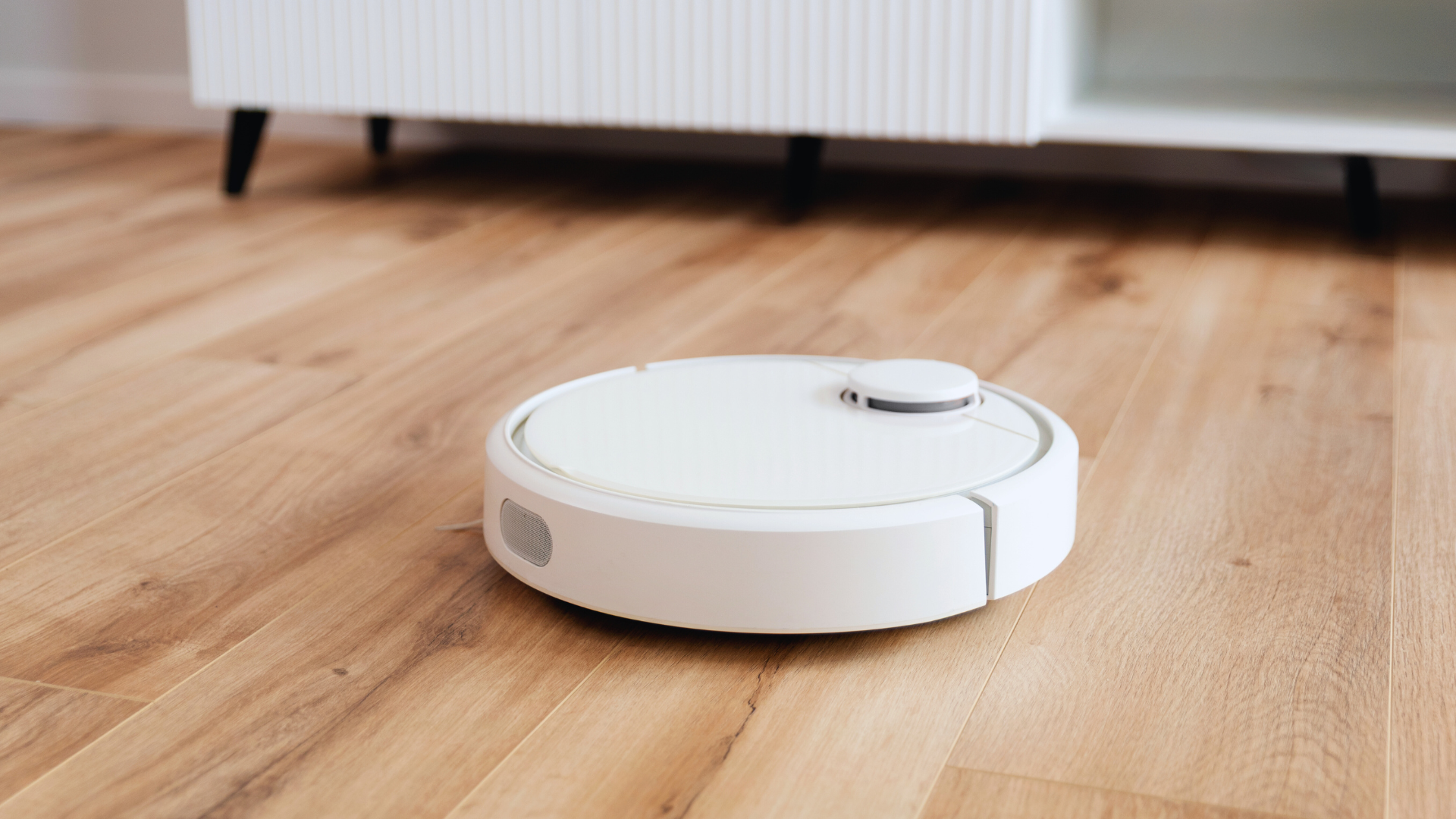
Robotics technology integrates physical components with intelligent software to perform specific tasks. In consumer products, robotics enables vacuum cleaners, lawn mowers, and similar devices to operate with autonomy, navigating environments using sensors and pre-programmed maps.
Autonomy here means devices can function independently after initial setup, relying on onboard computing to make decisions. This reduces user intervention while maintaining safety and effectiveness. As robotics components become more affordable, their presence in everyday products continues to grow.
Integration of IoT and Smart Home Systems
The Internet of Things (IoT) connects consumer products to networks, allowing remote monitoring and control. Smart home systems use automation protocols to link devices like thermostats, lighting, and security cameras into unified platforms controlled via apps or voice commands.
These interconnected systems collect data to automate daily routines. For example, a smart thermostat adjusts temperature based on occupancy sensors combined with weather predictions. IoT integration ensures products work collaboratively, enhancing convenience and energy efficiency through real-time data exchange.
Practical Applications and Innovations in Automated Consumer Products
Automation technologies are transforming how everyday products function, making them more responsive, efficient, and integrated. From kitchen appliances adapting to user habits to AI-driven speech interfaces and robotics, these innovations change daily routines.
Smart Appliances: Washing Machines, Refrigerators, and More
Smart washing machines adjust wash cycles automatically based on fabric type and load size, optimising water and energy use. Some models connect to smartphones, allowing remote monitoring and custom programme settings.
Refrigerators now feature sensors that track inventory and temperature zones, helping reduce food waste by alerting users to expiring items. Advanced models integrate with smart home systems to adjust cooling or share data with virtual assistants.
Such appliances use automation technologies to save time, lower utility bills, and add convenience. Manufacturers continually update firmware to improve performance and security, ensuring products evolve post-purchase.
Robotic Vacuum Cleaners and Household Robotics
Robotic vacuum cleaners use mapping technology and obstacle sensors to clean efficiently without human intervention. They can create floor plans, schedule cleaning times, and avoid fragile or cluttered areas.
Beyond vacuuming, household robots are expanding their roles to lawn mowing, window cleaning, and even basic home security. These devices learn layout patterns over time, improving effectiveness with every use.
Integration with virtual assistants allows voice control and status updates. Automation also enables predictive maintenance alerts, extending the lifespan and reliability of these robots.
Virtual Assistants and Natural Language Processing
Virtual assistants like Google Assistant use natural language processing to understand and respond to spoken commands fluently. They assist with tasks such as controlling smart appliances, managing schedules, and accessing information quickly.
Advances in language models enable these assistants to handle complex queries, support multiple languages, and maintain conversational context. This reduces friction and increases usability in everyday interactions.
Improved natural language processing also facilitates hands-free operation, which is especially valuable in busy or accessibility-conscious environments.
Generative AI and Large Language Models in Consumer Devices
Generative AI embedded in consumer devices allows for dynamic content creation and personalised user experiences. Large language models power features such as predictive text, automated summarisation, and context-aware recommendations.
These models improve device responsiveness by interpreting user needs beyond simple commands, enhancing communication interfaces. Some smart home hubs use AI to anticipate user preferences and adjust settings proactively.
Despite the computational demands of large language models, optimisation techniques enable their deployment within constrained hardware environments, making advanced AI widely available.
Influence on Customer Experience and Competitive Advantage
Automation improves both customer satisfaction and business performance by streamlining processes and delivering tailored interactions. It allows companies to respond faster, manage resources efficiently, and gain an edge over competitors through data-driven insights and refined operations.
Enhancing Customer Satisfaction and Personalisation
Automation enables detailed customer profiling through data collection and analysis. This leads to personalised recommendations and custom offers based on individual preferences and purchase history. As a result, customers experience products and services that align more closely with their needs.
Real-time inventory updates, powered by automation, prevent stock shortages and delays. This reliability boosts trust and satisfaction. Automated feedback systems also allow swift handling of complaints, increasing overall customer happiness.
Automation in Customer Relationship Management
Automation tools in customer relationship management (CRM) centralise communication and automate routine tasks like follow-ups and promotions. This ensures consistent engagement without human error or delays.
By analysing large customer datasets, automated CRM systems identify trends and opportunities for cross-selling or upselling. This targeted approach increases revenue while improving the customer journey. Integration with chatbots and AI further enhances responsiveness, offering immediate support 24/7.
Operational Efficiency and Process Optimisation
Automation optimises supply chain management by synchronising inventory data with demand forecasts, reducing overstock and waste. This results in faster order fulfilment and lower operational costs.
Processes such as order processing, packaging, and shipping benefit from automation, reducing human error and increasing speed. Efficiency improvements free resources for innovation and customer-centric initiatives, thereby strengthening competitive advantage.
|
Area |
Impact |
Benefit |
|
Inventory Management |
Automated tracking and forecasting |
Reduced stockouts and excess inventory |
|
Supply Chain |
Real-time data integration |
Faster delivery and cost control |
|
Customer Engagement |
Automated communication and insights |
Higher satisfaction and loyalty |
Future Trends, Skills, and Societal Implications
Automation in consumer products is advancing rapidly, with AI and machine learning shaping new possibilities. As technology evolves, the demand for technical skills grows, and societal questions about ethics and adaptation become more pressing.
Emerging Automation Technologies and AI Development
Reinforcement learning (RL) and machine learning (ML) are leading current automation innovations. These technologies enable products to personalise user experience by learning preferences and behaviours. For example, smart appliances adjust their functions automatically for energy efficiency and convenience.
AI development is increasingly integrated with real-time data processing, allowing devices to react instantly to environmental changes. Automation technologies such as robotics and voice recognition continue to improve, expanding their roles in everyday items like vacuum cleaners and security systems.
The fusion of these advances means consumer products will offer deeper interactivity and improved performance, often requiring less user input. This growth in automation will shift how consumers engage with technology daily.
The Role of Technical Skill and Human Adaptation
As automation spreads, the workforce must acquire technical skills related to AI, coding, and system maintenance. Proficiency in understanding and managing machine learning algorithms becomes critical for professionals maintaining these products.
Consumers also need to adapt by learning to operate increasingly complex devices. Digital literacy will be essential to navigate automated functionalities safely and effectively.
Educational systems and training programmes must evolve to emphasise STEM (Science, Technology, Engineering, and Mathematics) fields. This focus ensures both workers and users can keep pace with AI development and automation technologies embedded in daily products.
Challenges and Ethical Considerations
Automation raises concerns about privacy, data security, and job displacement. Many consumer products collect extensive data to personalise experiences, which creates risks of misuse or hacking.
Ethical dilemmas also arise regarding decision-making by AI systems, especially when automating tasks that affect health or safety. Transparency in how algorithms function and make choices is vital to building trust.
There is a societal debate over balancing innovation with regulation to protect consumers. Policies must address inequality created by automation while fostering responsible AI and automation technologies development.
Leave a Reply